The human mind is an intricate and fascinating organ—capable of processing thoughts, storing memories, navigating emotions, and making decisions. Yet, when something goes wrong with the brain, these functions can be disrupted in subtle or profound ways. Clinical neuropsychology helps us bridge the gap between brain function and behavior. It offers a scientific and compassionate way to understand how neurological changes influence cognition, personality, and mental health.
Clinical neuropsychology is a specialized field that blends psychology, neuroscience, and cognitive science. Neuropsychologists focus on assessing how injuries, illnesses, or developmental conditions affect mental functioning. Whether someone is struggling with memory loss after a head injury or a child is facing learning challenges in school, neuropsychologists evaluate, diagnose, and create strategies to support brain-based concerns. Why is this important? Because understanding how the brain works—or doesn’t work—can change lives. A clinical neuropsychological evaluation is not just about identifying problems. It helps to uncover the “why” behind difficulties in learning, behavior, or mood. This insight leads to personalized treatment plans and targeted interventions that can improve quality of life at school, work, and home.
So, what does a clinical neuropsychologist actually do? They conduct detailed assessments that measure attention, memory, language, problem-solving skills, emotional regulation, and more. These evaluations often involve paper-and-pencil tasks, computerized tests, and structured interviews. Through these tools, neuropsychologists map out how well a person’s brain is functioning across different areas.

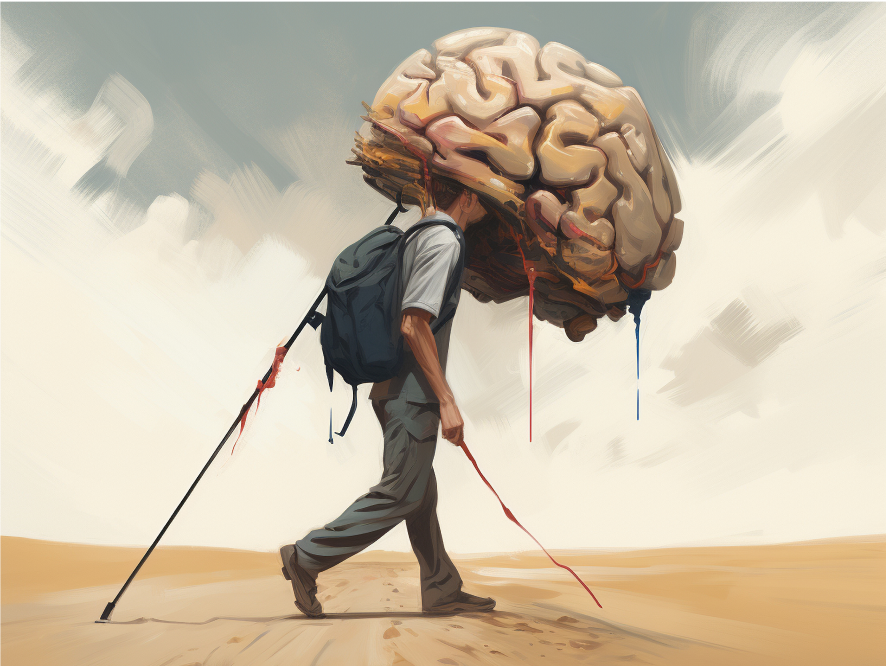
The conditions assessed by neuropsychologists are broad and varied. In medical settings, they might help individuals recovering from strokes, concussions, or brain tumors. In educational contexts, they support students with ADHD, learning disabilities, or autism spectrum disorders. Older adults with concerns about memory or dementia also benefit from their expertise. Each case is unique, and the neuropsychologist’s role is to make sense of symptoms through the lens of brain science.
A typical neuropsychological evaluation begins with an in-depth interview to understand the individual’s history, symptoms, and daily challenges. This is followed by a series of tests that examine different cognitive abilities, from verbal reasoning to visual-spatial skills. After the assessment, the neuropsychologist prepares a detailed report and meets with the individual (and sometimes their family) to explain the findings and offer clear, actionable recommendations.
These insights are not just diagnostic—they’re transformational. A student struggling in class may finally get the accommodations they need. An adult with unexplained forgetfulness may discover the early signs of a treatable condition. Families and caregivers can finally gain clarity and direction. Neuropsychology helps turn confusion into understanding and frustration into solutions.